
"coffee farming tips"
1000 article(s) found

Introduction to the varieties of Colombian Coffee beans produced by Grinding and Calibration
Huila is located in southern Colombia, one of the well-known special coffee producing areas, with an altitude of about 1200 to 2020 meters above sea level, with a planting area of more than 1.3 million hectares and an average temperature of 17-23C. Because of its outstanding flavor and aroma, it has become a world-famous special coffee. Medium and high

Introduction to the Roast degree Manor in the producing area of Colombian Coffee
The pure taste of Colombian coffee comes from Colombia's natural environment with the most favorable conditions for coffee growth. But beyond that, it is inseparable from the hard work of local growers. In Colombia, coffee cultivation has reached 1.07 million hectares, there are about 302000 coffee plantations in the country, and 30 to 40 per cent of the rural population depends directly on coffee production. Columby
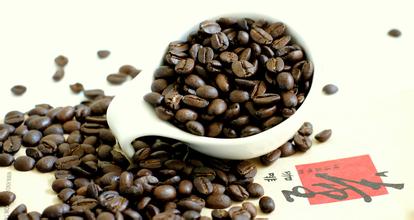
Grinding scale of Colombian Huilan Coffee Bean introduction to the description of taste and flavor in the producing area
The pure taste of Colombian coffee comes from Colombia's natural environment with the most favorable conditions for coffee growth. But beyond that, it is inseparable from the hard work of local growers. In Colombia, coffee cultivation has reached 1.07 million hectares, there are about 302000 coffee plantations in the country, and 30 to 40 per cent of the rural population depends directly on coffee production. Columby

mesocarp fleshy, sweet Colombia Hope Manor Coffee Flavor Taste
The pure flavor of Colombia coffee comes from the natural environment of Colombia, which has the most favorable conditions for coffee growth. But beyond that, it is inseparable from the hard work of local growers. In Colombia, coffee is cultivated on 1.07 million hectares, there are about 302,000 coffee plantations in the country, and 30 to 40 per cent of the rural population depends directly on coffee production. Colombia

Description of taste and flavor of imported coffee beans from Colombia Jindio introduction of varieties produced by grinding scale
Description of taste and flavor of imported coffee beans from Colombia Jindio the varieties of Colombian coffee are mainly small-grain coffee. Plants are small trees or large shrubs, 5-8 m tall, usually much branched at base; old branches gray-white, nodes dilated, young branches glabrous, compressed. Leaves thinly leathery, ovate-lanceolate or lanceolate, 6-14 cm long, 3.5-5 cm wide, tip long

Flavor description of Colombian Rosa Coffee Bean introduction of Grinding scale Variety Manor production area
The Herrera family of Hope Farm in Colombia introduced Rosa Coffee from Jade Manor in Panama in 2007. Although it failed at first, after years of hard work, it won the Annual Bean Competition (COTY-Coffees) held by the American Fine Coffee Association in Houston in April 2011.

Introduction to the taste of grinding scale varieties by describing the characteristic flavor of Colombian coffee
Colombian coffee characteristic flavor description method grinding scale variety taste introduction Colombian coffee beans mature in the coffee world will have the reputation of flawless and elegant as jadeite in the jade world, with heavy particles, rich nutrition, rich flavor, soft taste, smooth taste and excellent balance; the color is as clear and transparent as emerald emerald; until

Columbia Coffee Bean producing area Flavor description treatment quality Manor Fine Coffee introduction
The varieties of coffee in Colombia are mainly Arabica coffee (coffea arabica), that is, small fruit coffee (small grain coffee). Relatively speaking, large fruit coffee (coffea robusta) is mostly grown in Africa of origin, such as Madagascar coffee. There are several varieties of small fruit coffee. Brazilian coffee, which has the highest yield in the world, has large seeds and adaptability.

Description of flavor of Columbia Linglong coffee beans introduction to the origin of grinding scale
The pure taste of Colombian coffee comes from Colombia's natural environment with the most favorable conditions for coffee growth. But beyond that, it is inseparable from the hard work of local growers. In Colombia, coffee cultivation has reached 1.07 million hectares, there are about 302000 coffee plantations in the country, and 30 to 40 per cent of the rural population depends directly on coffee production. Columby

Introduction to the taste of Columbia Linglong Coffee Flavor description Grinding Calibration method
The main varieties of Colombian coffee are small grains of coffee. Plants are small trees or large shrubs, 5-8 m tall, usually much branched at base; old branches gray-white, nodes dilated, young branches glabrous, compressed. Leaves thinly leathery, ovate-lanceolate or lanceolate, 6-14 cm long and 3.5-5 cm wide, tip long acuminate, acuminate part 10-15 mm long, base cuneate or slightly obtuse, rarely rounded, entire or

Introduction to the Flavor Manor of Colombian Coffee Bean Grinding scale treatment
Colombian coffee beans Colombian coffee varieties are mainly small grains of coffee. Plants are small trees or large shrubs, 5-8 m tall, usually much branched at base; old branches gray-white, nodes dilated, young branches glabrous, compressed. Leaves thinly leathery, ovate-lanceolate or lanceolate, 6-14 cm long and 3.5-5 cm wide, tip long acuminate, acuminate part 10-15 mm long, base cuneate or slightly obtuse
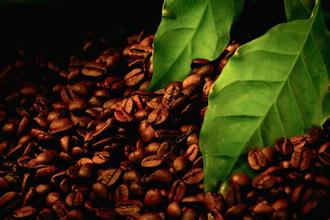
Flavor description of Colombian Ramon Coffee beans introduction to the taste of grinding scale varieties
Description of the flavor of Colombian Ramon coffee beans the taste of Colombian coffee is mainly small-grain coffee. Plants are small trees or large shrubs, 5-8 m tall, usually much branched at base; old branches gray-white, nodes dilated, young branches glabrous, compressed. Leaves thinly leathery, ovate-lanceolate or lanceolate, 6-14 cm long, 3.5-5 cm wide, tip long acuminate

Colombian coffee growing environment Colombian coffee culture
The history of coffee cultivation in Colombia can be traced back to the Spanish colonial era in the 16th century, and there are many theories about the history of coffee in Colombia: one: it is said to come from the island of Haiti in the Caribbean and from El Salvador in Central America. Second: in 1808, a priest introduced coffee beans to Colombia for the first time from the French Antilles via Venezuela. One of them

Description of taste and flavor of coffee beans in Santa Rita Manor, Colombia
In 1864, Jubal A. Early led Confederate troops to occupy many parts of Montgomery County for a short time and attacked the District of Columbia. On July 11, the Southern Army passed Rockville Pike (MD-355), New Cut Road (now Viers Mill Road M) via Rockville and Wheaton.

Description of Grinding scale Flavor of Columbia Nana Linglong Coffee Bean introduction to the Origin of Manor varieties
The main varieties of Colombian coffee are small grains of coffee. Plants are small trees or large shrubs, 5-8 m tall, usually much branched at base; old branches gray-white, nodes dilated, young branches glabrous, compressed. Leaves thinly leathery, ovate-lanceolate or lanceolate, 6-14 cm long and 3.5-5 cm wide, tip long acuminate, acuminate part 10-15 mm long, base cuneate or slightly obtuse, rarely rounded, entire or
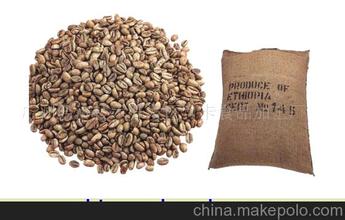
Introduction to the method of Variety treatment in Coffee Bean Flavor description region of Colombia sierra navada
Columbia sierra navada Coffee Bean Flavor description Variety treatment method introduces the pure taste of Colombian coffee, which comes from Colombia's natural environment with the most favorable conditions for coffee growth. But beyond that, it is inseparable from the hard work of local growers. In Colombia, the planting area of coffee has reached 1.07 million hectares, with about 302000 coffees in the country.

Panamanian Rosa Coffee beans-the flavor and flavor of Mama Cata Coffee Manor in Pokuit, Panama
Professional coffee knowledge exchange more coffee bean information please follow the coffee workshop (Wechat official account cafe_style) Panama Rose Summer Coffee beans-Panama Poket region of the Mama Cata coffee estate flavor and taste characteristics? Mama Cata Estate (named after the matriarch of the family) is younger than most of our other partners. However, Mama Cata Estate

Flavor description of Colombian Santa Rita Coffee introduction to the method of Variety treatment in Grinding scale production area
Columbia Santa Rita Coffee Flavor description Grinding scale production area Variety treatment introduction Arabica species (scientific name Coffee Arabica) have to be mentioned in Colombian coffee species. Arabica coffee trees grow between 900m and 2000 m above sea level; they are hardy, and the suitable growth temperature is 1524 ℃; they need more humidity, and the annual rainfall is not less than 1500 ml.

Description of St. Helena Coffee Coffee and introduction of Green Tip bourbon
Professional coffee knowledge exchange more coffee bean information Please follow the coffee workshop (Wechat official account cafe_style) St. Helena Coffee is unique not only because it is pure Arabica beans, but also because it is the bourbon species of Arabica beans-Green Tipped Bourbon arabica, which is a bean that needs to be handled very carefully during harvest, washing and roasting to ensure that

Colombian Hope Manor boutique adzuki bean Bourbon pointed natural variation
Boutique coffee (specialty coffee) is also called specialty coffee selection coffee. It refers to coffee made from a small number of raw beans with excellent taste grown in an ideal geographical environment. Depending on the special soil and climatic conditions in which they grow, they have outstanding flavor. After strict selection and classification, this kind of coffee is hard in texture, rich in taste and stylish.